
Why Custom Pool Tables Are Popular in Modern Home Design
A game room feels different when every detail feels personal
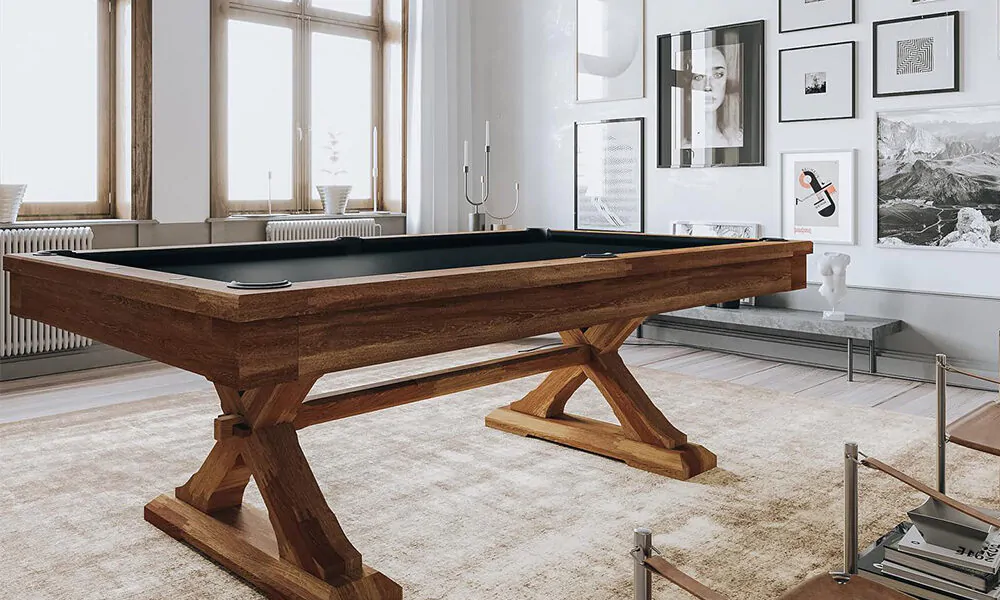
A standard game room can look nice for a while. Still, some spaces leave a stronger impression the second people walk in. The difference usually comes from personal design choices that reflect the homeowner’s style instead of following trends. A custom pool table changes the mood of a room because it feels connected to the space around it. The table no longer looks like furniture dropped into a corner. It becomes part of the home itself. Guests notice that almost immediately, even if they cannot explain why, the room feels more complete.
Luxury entertainment spaces today are often designed with custom pool tables that combine craftsmanship, comfort, and personal style into a single centerpiece. This guide explores how custom designs enhance both appearance and gameplay, helping homeowners create rooms that feel more welcoming and balanced. You will also learn why material selection, sizing, and finish details matter more than many buyers first realize. Some people expect customization to feel complicated. Surprisingly, the process often becomes enjoyable because every small choice shapes the final result. From wood finishes to cloth colors, each detail adds personality without making the room feel overdone. A thoughtfully designed table does more than support billiards. It quietly changes how people gather, relax, and spend time together at home.
Why personalized design creates a more inviting game room
Some rooms feel cold even after adding expensive furniture. Others feel warm and comfortable almost instantly. Personal design plays a big role in that difference. A custom table helps connect the room’s colors, textures, and layout naturally. Instead of standing apart from the space, the table works with the surrounding design elements. That creates a more balanced atmosphere for both everyday use and social gatherings.
Buyers often focus first on table size, though appearance matters just as much over time. Wood tones, leg styles, and rail details shape the room’s overall mood. You may love modern interiors, while someone else prefers a classic design with darker finishes. Customization allows both styles to work naturally without compromise.
Several design choices help personalize the space:
• Matching wood finishes carefully
• Coordinating cloth colors with décor
• Selecting modern or classic leg styles
• Balancing table size with room layout
• Choosing details that fit personal taste
A personalized setup also improves how often people actually use the room. Spaces that feel comfortable tend to attract more gatherings naturally. Family members stay longer during casual games, and guests feel more relaxed during visits. Strong design choices quietly shape those experiences without constantly demanding attention. That lasting comfort becomes one of the biggest benefits of customization.
How does material quality affect performance and appearance daily
The beauty of a pool table means very little if the playing experience feels uneven. Quality materials support both visual appeal and long-term performance. Strong hardwood construction helps maintain stability during years of use. Slate surfaces also improve ball movement and shot consistency. Those details may sound technical at first, but players notice the difference quickly during real games.
Cheaper materials often create problems slowly rather than immediately. Rails may loosen over time. Surfaces can become uneven after years of regular use. Cloth quality affects speed and control, too. Many buyers realize later that durability matters more than saving money up front. A poorly built table usually becomes frustrating much faster than expected.
Well-crafted tables often include these important features:
• Solid hardwood frame construction
• Precision slate playing surfaces
• Durable rail support systems
• Long-lasting cloth materials
• Stable leveling components
Strong craftsmanship also protects the table’s appearance over time. Scratches, fading, and structural movement become less common when better materials are used from the start. Homeowners who invest in quality construction often keep their tables for decades rather than replacing them later. A custom table should feel dependable every single day, not only during the first year after installation.
What buyers should know before planning a custom table
Excitement often leads buyers to rush through important planning details. That can create layout problems later, especially in smaller rooms. Before choosing finishes or design accents, room measurements should always come first. Proper spacing allows players to move comfortably during games. Tight corners and blocked cue movement can make even beautiful tables frustrating to use.
Lighting deserves careful attention as well. Poor overhead placement creates shadows across the playing surface and affects visibility. Seating arrangements also shape the overall experience. Guests should feel comfortable without crowding active play areas. Small planning decisions make a surprisingly large difference once the room is complete.
A few smart planning steps include:
• Measuring cue clearance space carefully
• Planning balanced overhead lighting
• Leaving room for guest seating
• Matching table scale to room size
• Considering long-term room use
Another helpful idea is to think beyond current trends. Timeless finishes usually age better than bold styles that lose appeal quickly. Buyers who focus on comfort, quality, and balanced design often stay happier with their decisions years later. A carefully planned custom table becomes more than a game room feature. It becomes part of the home’s personality itself.
The kind of space people naturally gather around
A thoughtfully designed game room creates more than entertainment. It encourages connection in a way many modern spaces quietly struggle to achieve. We explored how personalized design shapes atmosphere, why quality materials improve long-term performance, and what planning steps help create a better experience from the start. These details work together to create a room that feels welcoming instead of overly staged. The right table adds style, comfort, and function without forcing attention. Over time, it simply becomes the place where conversations last longer, and people enjoy spending time together.


